Guide
What to see in Florence: the essentials, neighbourhood by neighbourhood
What to see in Florence in 3 days: 7 areas of the centre, the Uffizi (25 EUR), the Accademia (20 EUR) and the dome (30 EUR). Which tickets to book first.
In short
Florence's historic centre, a World Heritage Site since 1982, is walkable and divides into seven areas: Duomo and Signoria, San Lorenzo and San Marco, Santa Maria Novella, Santa Croce, Oltrarno, San Niccolò with Piazzale Michelangelo, and Fiesole. The tickets worth booking ahead are the Uffizi (25 or 29 EUR), the Accademia (20 EUR plus 4 EUR) and the dome (Brunelleschi Pass, 30 EUR). Three days are enough for the essentials.
Florence packs an enormous share of Renaissance art into a few square kilometres. Almost everything is seen on foot, but the big museums close on Mondays and the most visited sell timed tickets in advance. That is why it helps to organise the visit by neighbourhood and book only what really needs it.
This guide walks through the neighbourhoods with the main sights, the entry prices listed in this site's entries and the tours worth taking in each. Prices and opening times change: confirm them on each museum's official website.
Ready to book
- Uffizi Gallery: official ticketfrom €25 Book on Tiqets (opens in a new tab)
- Accademia Gallery: Michelangelo's Davidfrom €20 Book on Tiqets (opens in a new tab)
- Brunelleschi Pass: dome, bell tower and Duomo complexfrom €30 Book on Tiqets (opens in a new tab)
Some links are affiliate links. Book through them and we may earn a commission, with no extra cost to you. What affiliate links are
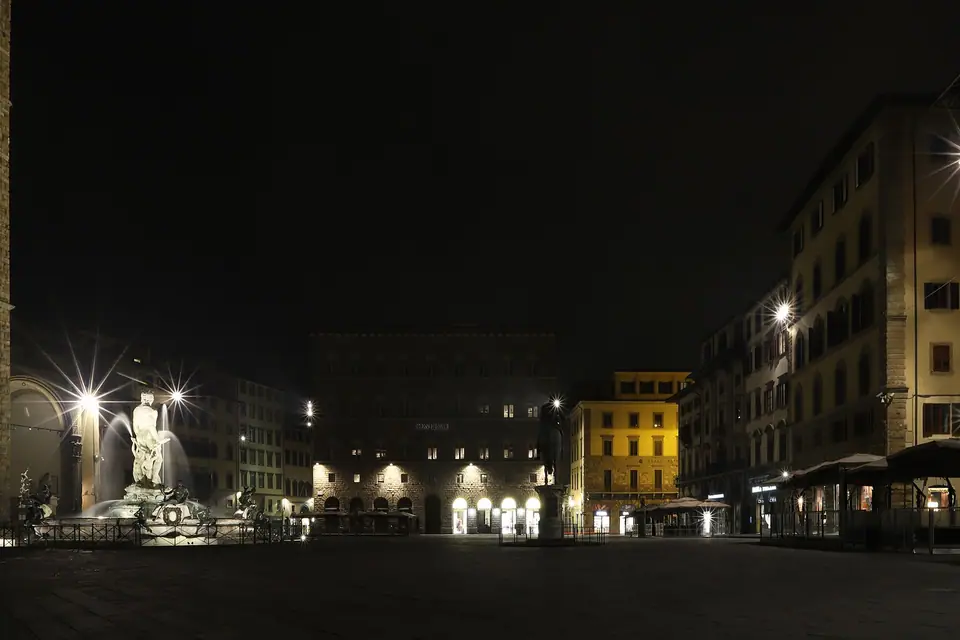
Duomo and Piazza della Signoria
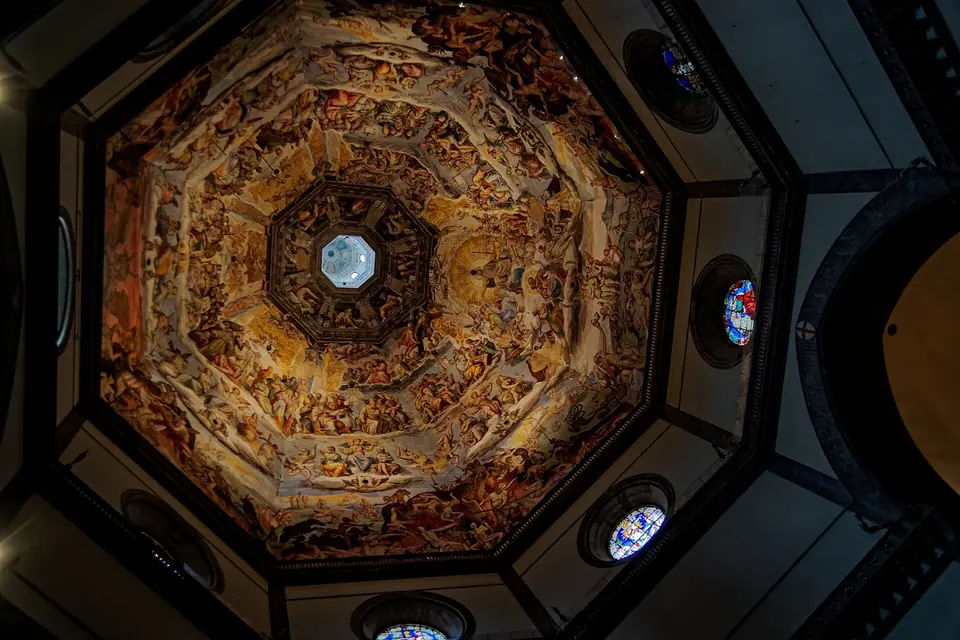
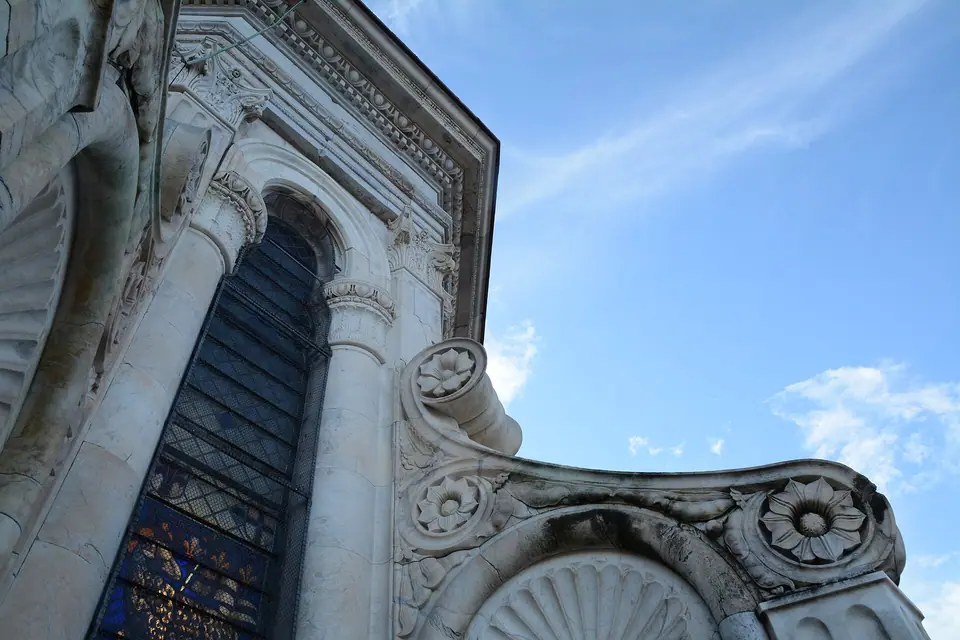
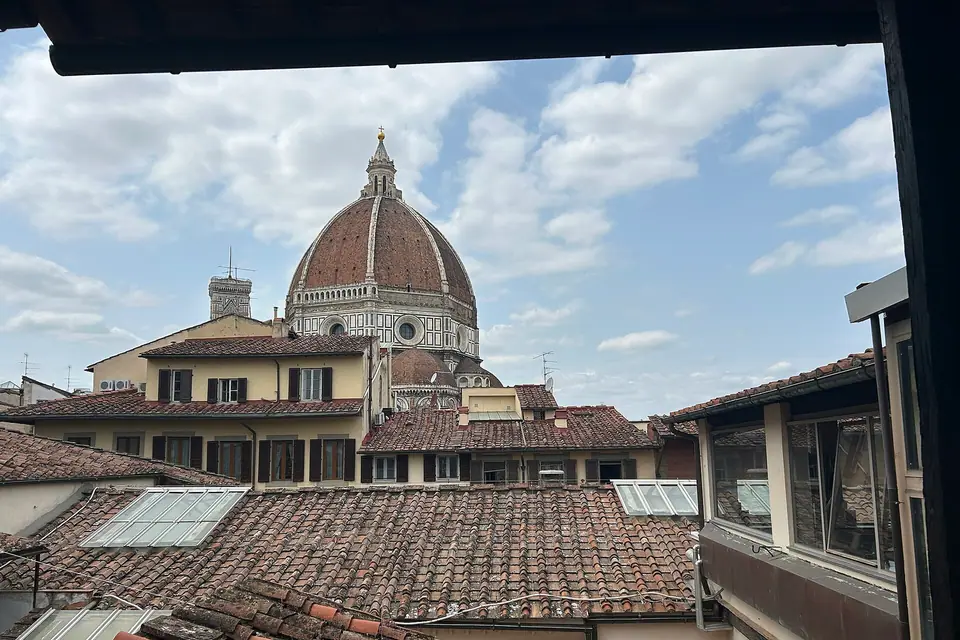
This is the historic heart: the cathedral of Santa Maria del Fiore, with Brunelleschi's dome and Giotto's bell tower, and Piazza della Signoria, with the Palazzo Vecchio and the Uffizi. The cathedral can be visited free; the dome, bell tower, baptistery, museum and crypt are entered with the Opera passes (Brunelleschi 30 EUR, Giotto 20 EUR, Ghiberti 15 EUR). The dome has 463 steps and a compulsory time slot.
The Uffizi cost 25 EUR on the day or 29 EUR booked, and close on Mondays. The Palazzo Vecchio costs 18 EUR and the climb up the Torre di Arnolfo is 20 EUR with compulsory booking. There are also the Galileo Museum (14 EUR) and the Palazzo Davanzati (8 EUR plus 3 EUR booking). Tours in the area: walking free tours of the centre, a guided Uffizi visit, the guided dome climb and the night-time legends tour.
Opera di Santa Maria del Fiore
Brunelleschi Pass: dome, bell tower and Duomo complex
The most complete Duomo pass: climb Brunelleschi's dome and the bell tower, and enter the baptistery, museum and crypt.
Opera di Santa Maria del Fiore
Giotto Pass: bell tower, museum, baptistery and crypt
Pass to climb Giotto's bell tower and visit the museum, baptistery and crypt, without the dome.
Opera di Santa Maria del Fiore
Ghiberti Pass: museum, baptistery and crypt
Pass without climbs for the Museo dell'Opera del Duomo, the baptistery and the Santa Reparata crypt. The cheapest of the complex.
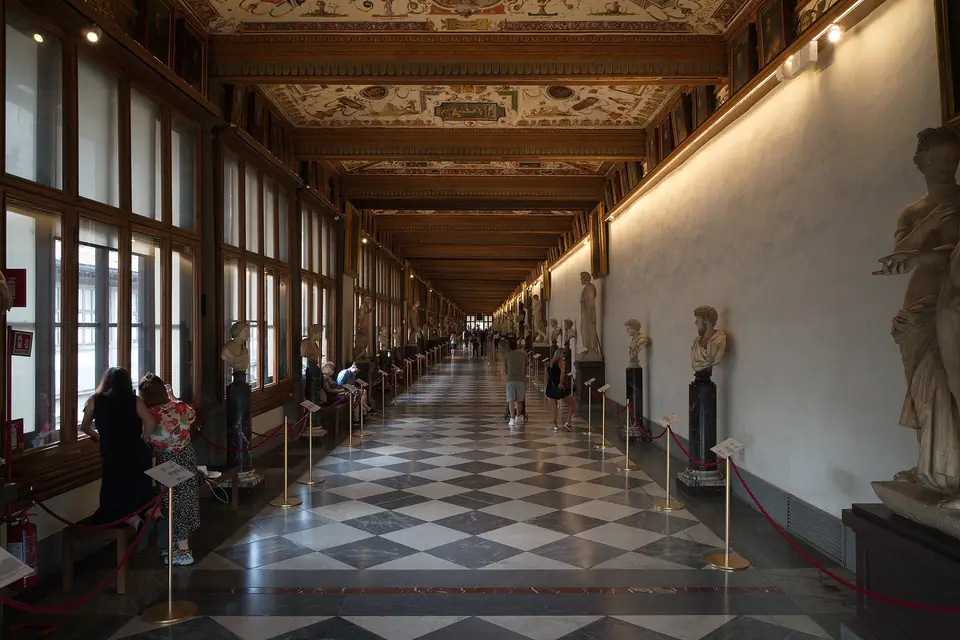
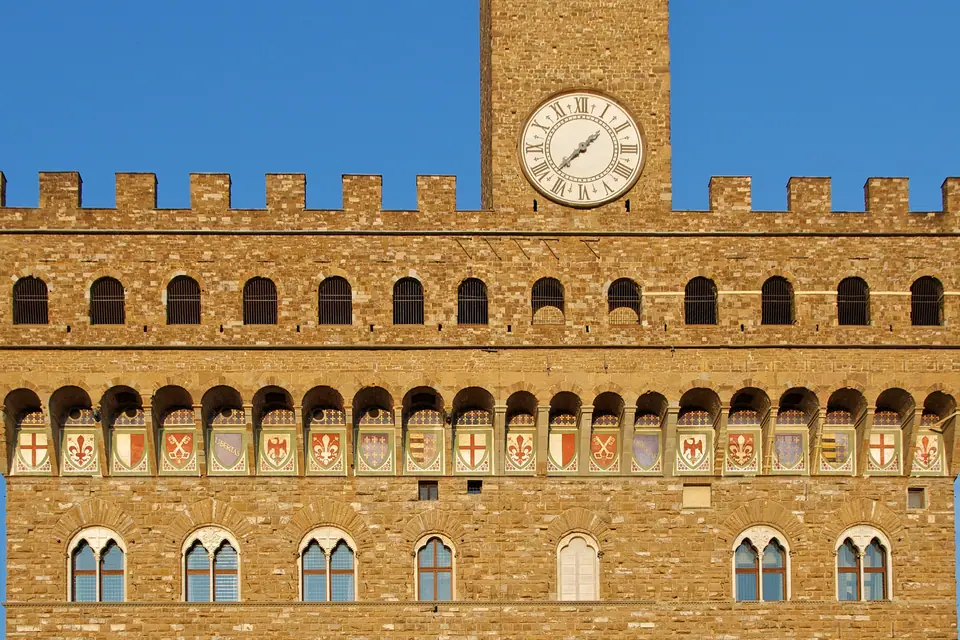
Uffizi Gallery: official ticket
Official ticket to Florence's greatest Renaissance collection, with Botticelli, Leonardo and Michelangelo. Open Tuesday to Sunday.
Musei Civici Fiorentini (Comune di Firenze)
Palazzo Vecchio: museum
Ticket to Florence's palace-town hall, with the Hall of the Five Hundred, Eleonora's apartments and Francis I's study.
Musei Civici Fiorentini (Comune di Firenze)
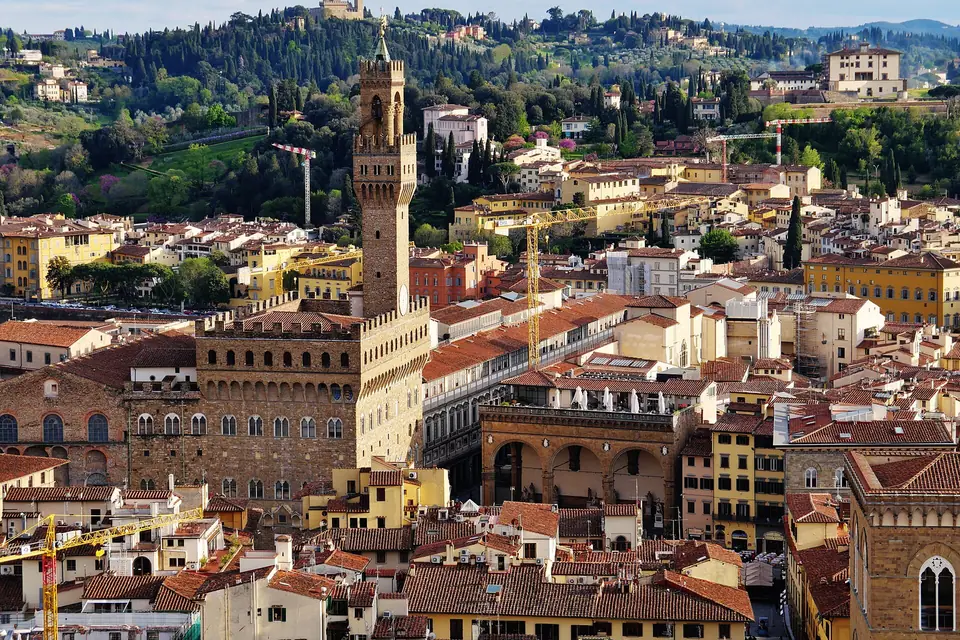
Arnolfo Tower at Palazzo Vecchio
Climb of the Palazzo Vecchio tower by a narrow staircase, with views over central Florence. Booking required.
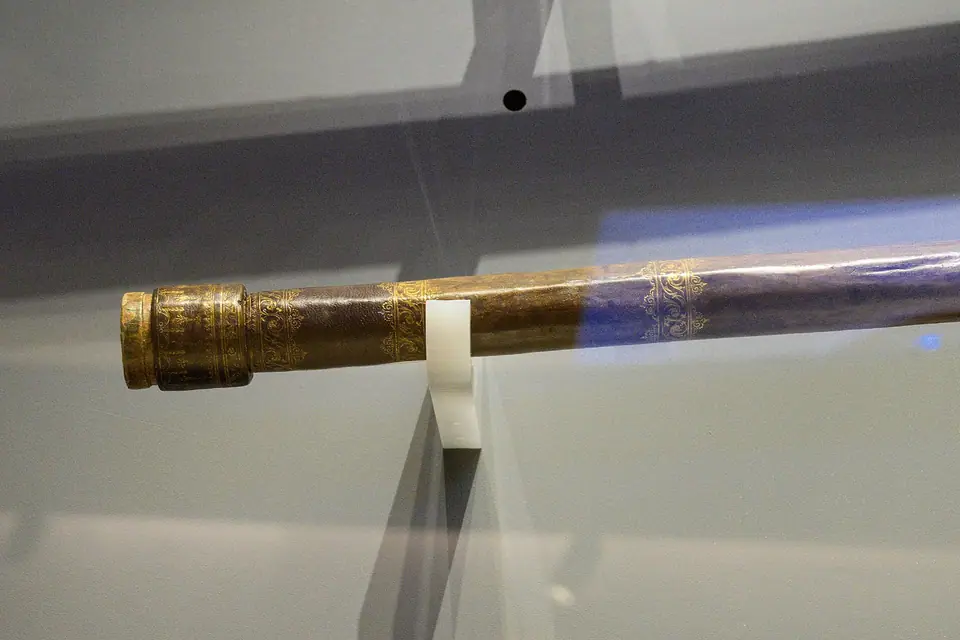
Galileo Museum
Museum of the history of science beside the Uffizi, with Medici instruments, globes and Galileo's telescopes.
Galleria dell'Accademia di Firenze e Musei del Bargello
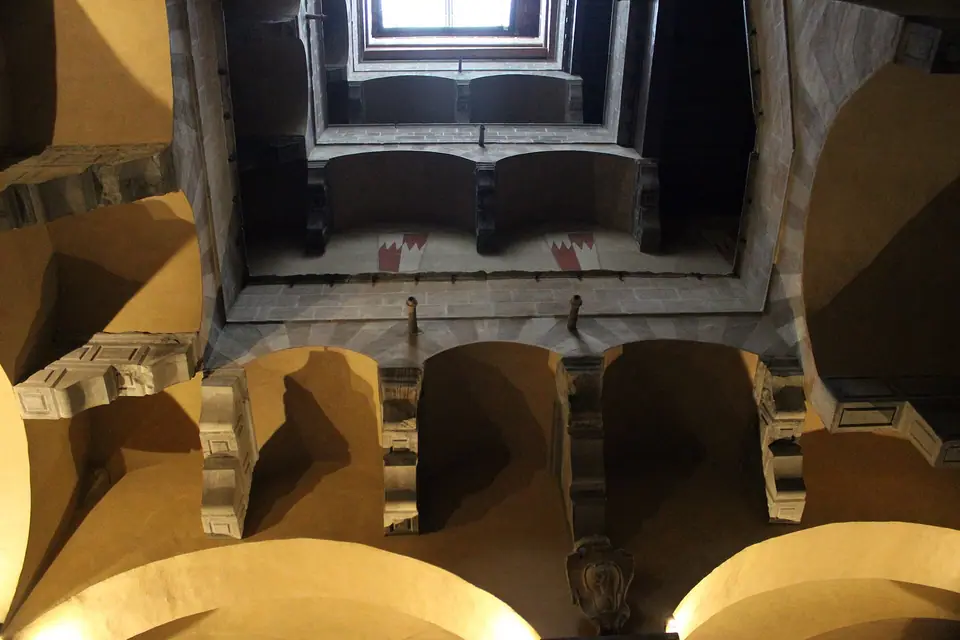
Palazzo Davanzati: Museum of the Florentine House
A 14th-century tower house furnished to show how a well-off medieval Florentine family lived.
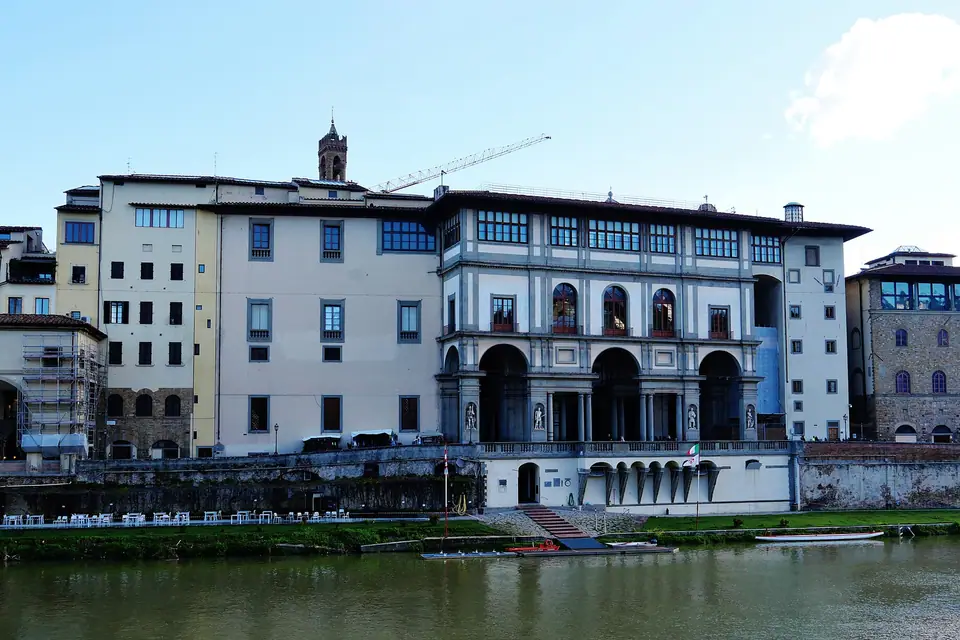
Uffizi: highlights guided tour with an art historian (Walks of Italy)
A two-hour Uffizi visit with skip-the-line entry, an art-historian guide and a finish on the terrace with views.
Duomo with dome climb and museum, guided tour (Walkabout)
A two-and-a-half-hour guided tour of the Duomo complex with tickets included and the climb up Brunelleschi's dome.
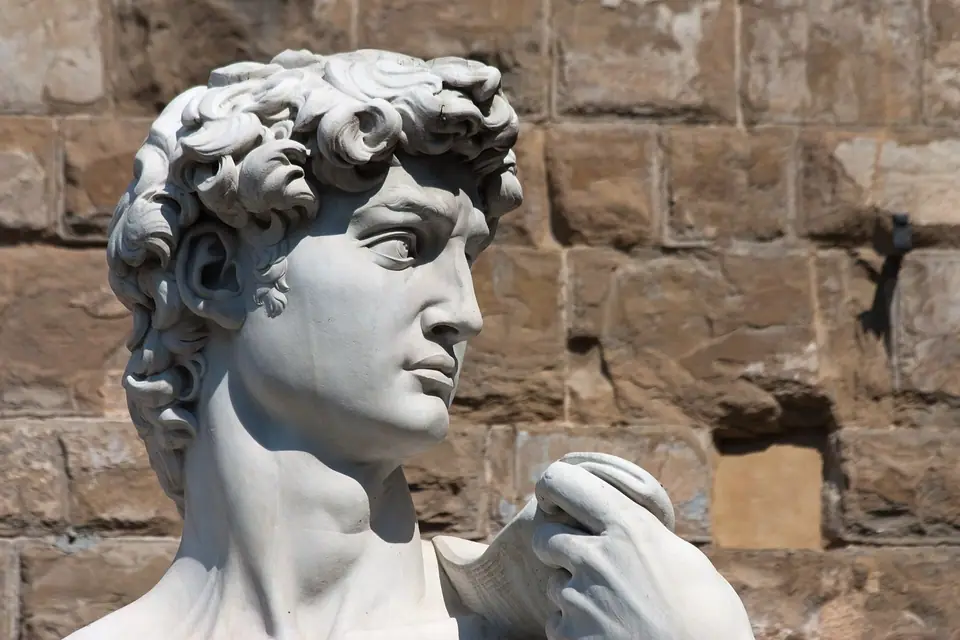
Free Florence walking tour 'Original Florence', tip-based
Introductory walk of just over 2 hours through the centre, with departures at 10:15 am and 5:15 pm, where each visitor pays what they feel is fair at the end.
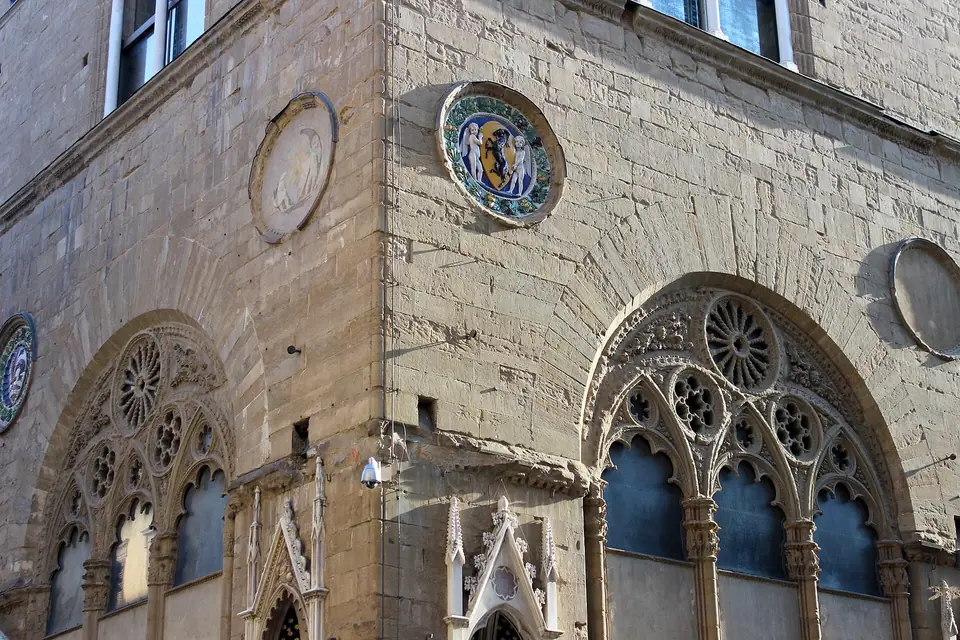
Free tour in Spanish: history, art and secrets of the Renaissance and the Medici
Walk of 2 hours 15 minutes in Spanish through the centre, centred on the Renaissance and the Medici, led by a guide with a yellow umbrella, tip-based.
San Lorenzo and San Marco: the Medici quarter
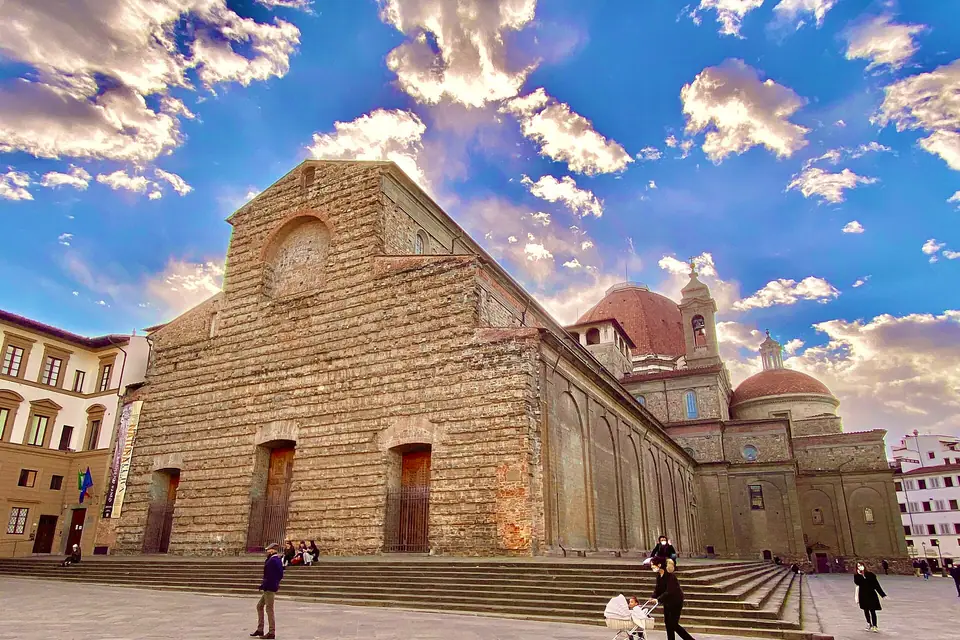
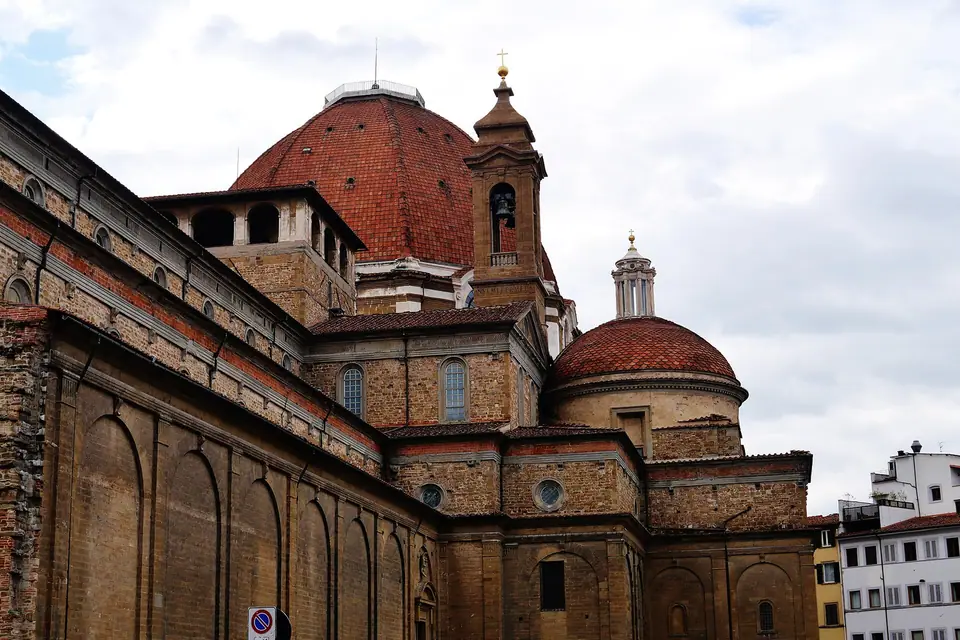
Here are the Galleria dell'Accademia with Michelangelo's David (20 EUR plus 4 EUR booking, closed Mondays), the Medici Chapels (11 EUR plus 3 EUR), the Museo di San Marco with Fra Angelico's frescoes (11 EUR) and the Palazzo Medici Riccardi with the Magi Chapel (10 EUR in winter, 15 EUR the rest of the year). The Mercato Centrale is the area's covered food market.
For eating and learning, the Eating Europe Central Market food tour costs from 84 EUR and the "Wanna Be Italiano" cooking class includes a market visit. For the Accademia with a guide, Florencetown offers a walk with fast entry from 82 EUR.
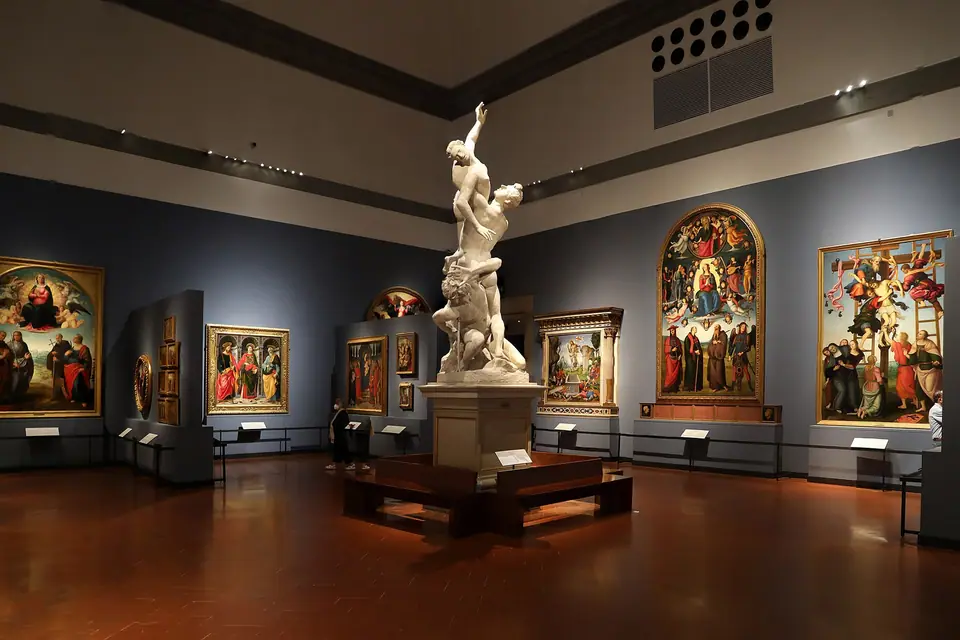
Galleria dell'Accademia di Firenze e Musei del Bargello
Accademia Gallery: Michelangelo's David
Official ticket to the museum housing Michelangelo's David and the unfinished slaves. Time-slot booking, closed on Mondays.
Galleria dell'Accademia di Firenze e Musei del Bargello
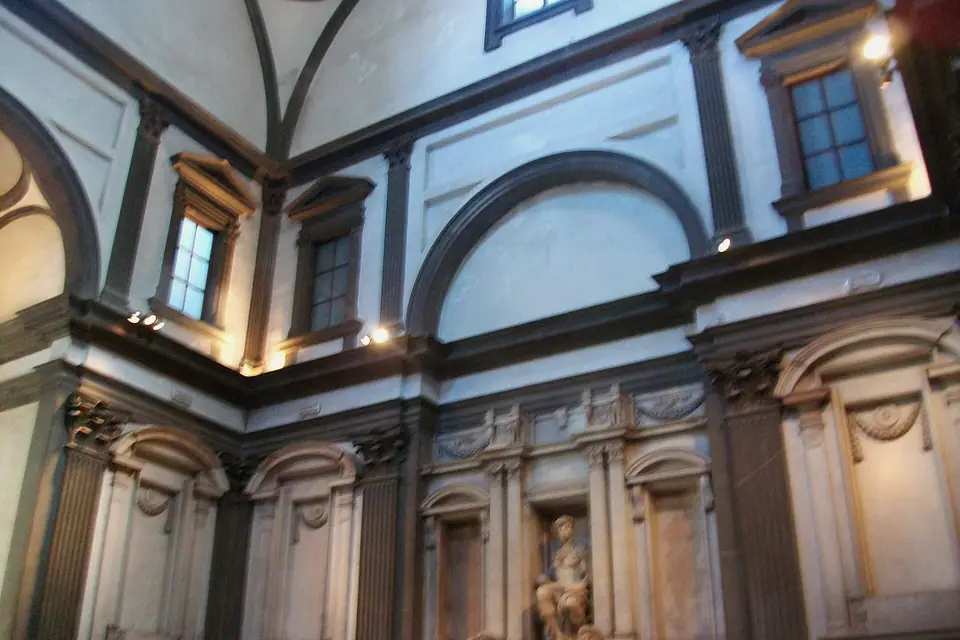
Medici Chapels
The Medici mausoleum beside San Lorenzo, with Michelangelo's New Sacristy and the Chapel of the Princes.
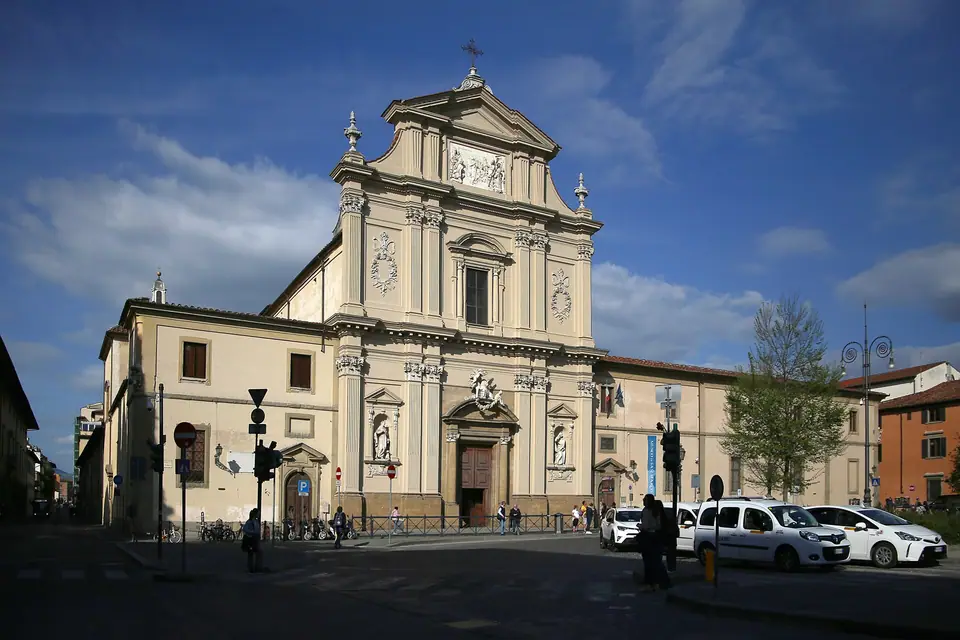
San Marco Museum: Fra Angelico
Former Dominican convent with the cells painted by Fra Angelico and the Annunciation on the upper corridor.
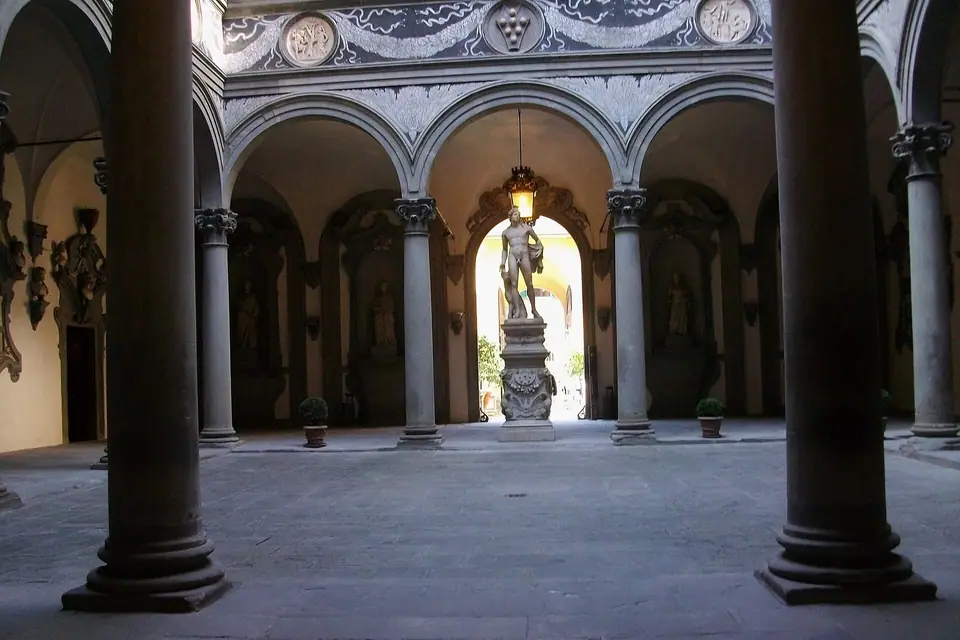
Palazzo Medici Riccardi and the Magi Chapel
The first Medici palace, with the chapel painted by Benozzo Gozzoli and Baroque rooms.
Florence walk and Accademia with the David (Florencetown)
Three hours in a small group: a guided walk through the centre and fast-track entry to the Accademia to see the David.
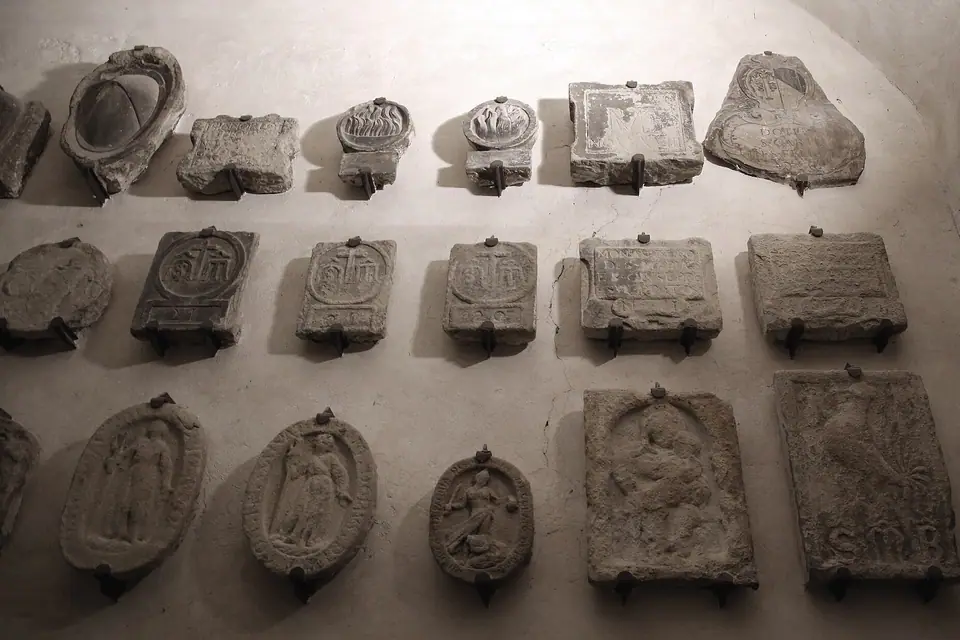
Accademia ticket and Florence bike tour (I Bike Florence)
Combined programme of about 5.5 hours with skip-the-line entry to the Accademia Gallery, home of Michelangelo's David, and a guided bike ride through the centre and Oltrarno.
Central Market food tour (Eating Europe)
Three hours around San Lorenzo with six tasting stops, from lampredotto to a tasting in one of the city's oldest wine shops.
Cooking class with Central Market visit: "Wanna Be Italiano"
About five hours starting with shopping at the Central Market, then pasta, sauces and dessert in a nearby cooking school.
Santa Maria Novella
The station area has the basilica of Santa Maria Novella with its museum (7.50 EUR), the Museo Novecento of modern art (13 EUR, closed Thursdays) and the Museo Salvatore Ferragamo (10 EUR). The Palazzo Strozzi hosts temporary exhibitions; the entry lists "Broken. The Power of the Fragment" at 15 EUR. It is the most practical area to stay if you arrive by train or by the airport tram.
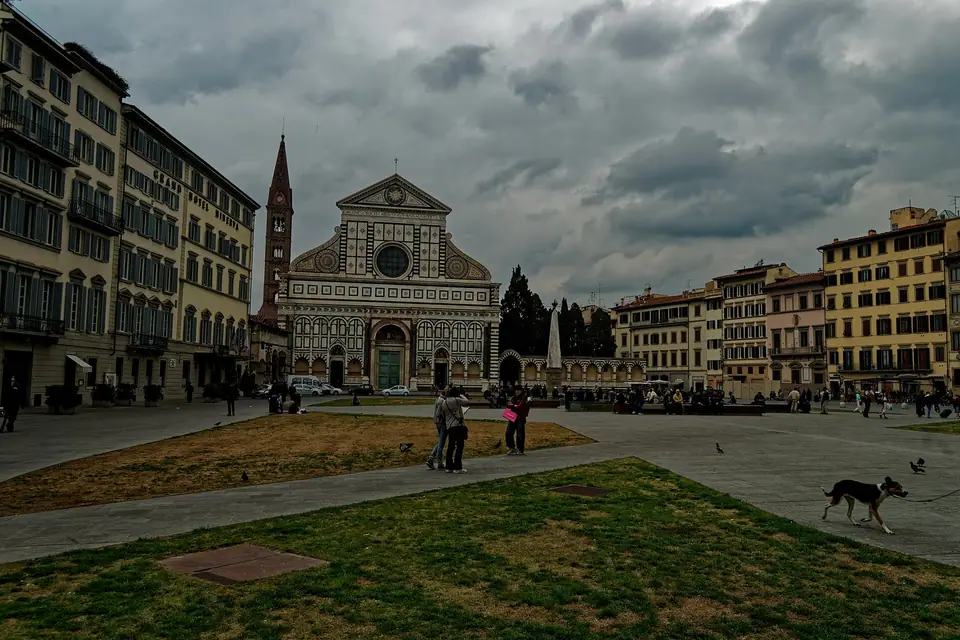
Basilica di Santa Maria Novella
Santa Maria Novella basilica and museum
Dominican basilica with Masaccio's Trinity and frescoed cloisters, beside Florence's station.
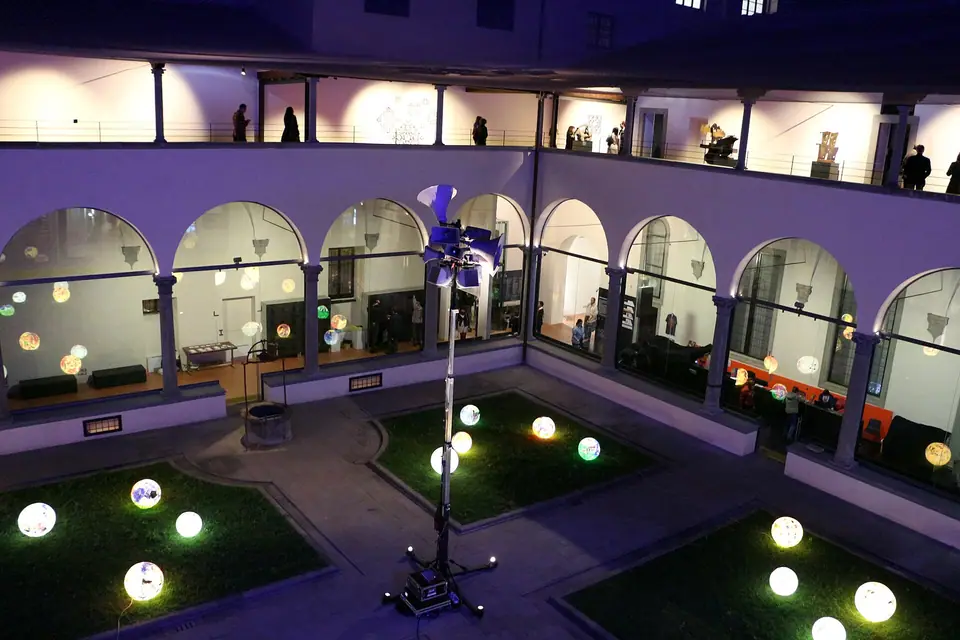
Musei Civici Fiorentini (Comune di Firenze)
Museo Novecento
Museum of 20th-century Italian art opposite Santa Maria Novella, in the former Spedale delle Leopoldine.
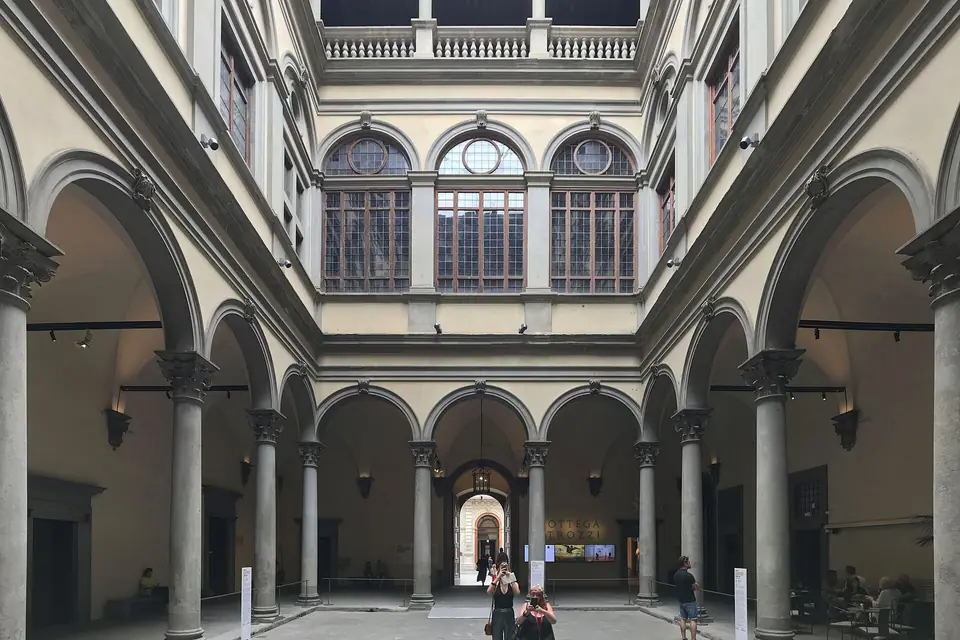
Palazzo Strozzi: exhibition "Broken. The Power of the Fragment"
Ticket to the big autumn-winter exhibition at Palazzo Strozzi, open until 24 January 2027.
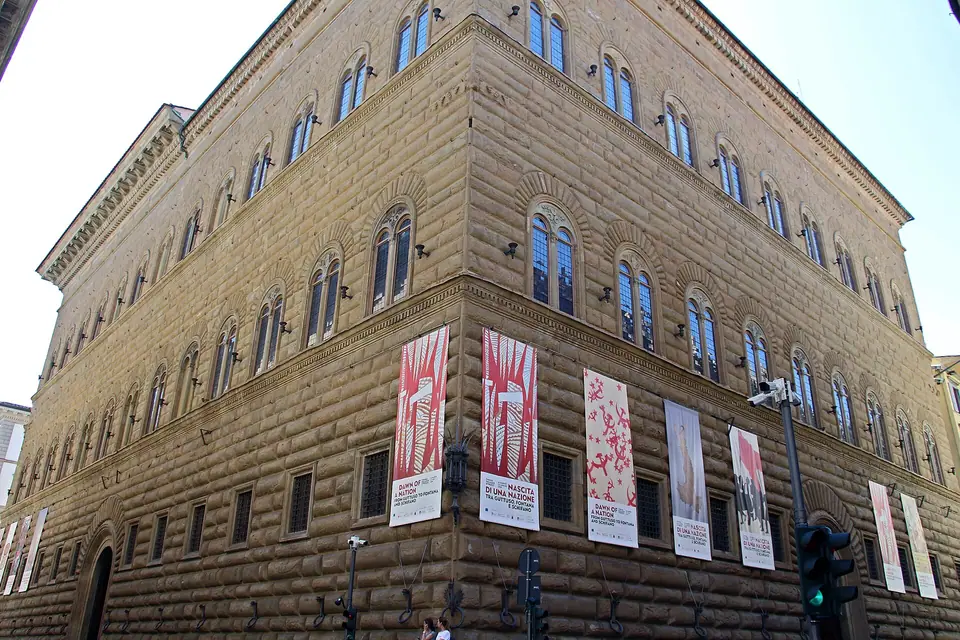
Salvatore Ferragamo Museum
Shoe and fashion museum in Palazzo Spini Feroni on Via Tornabuoni, open daily.
Santa Croce and Sant'Ambrogio
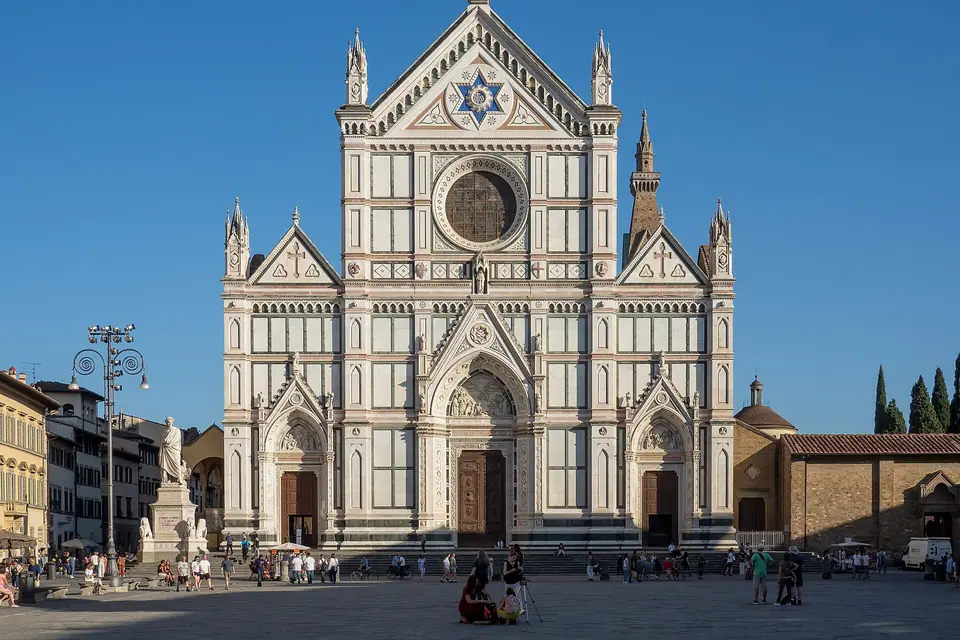
The basilica of Santa Croce (10 EUR) is the pantheon of Italian greats and requires covered shoulders and knees. Nearby are the Museo Nazionale del Bargello (12 EUR plus 4 EUR booking, the city's best Renaissance sculpture collection) and the Casa Buonarroti (8 EUR, closed Tuesdays). Toward the river, the Piazza Mentana area is the starting point for bike tours and barchetto boat rides on the Arno.
For food, there are walking food tours through Santa Croce and the Sant'Ambrogio market.
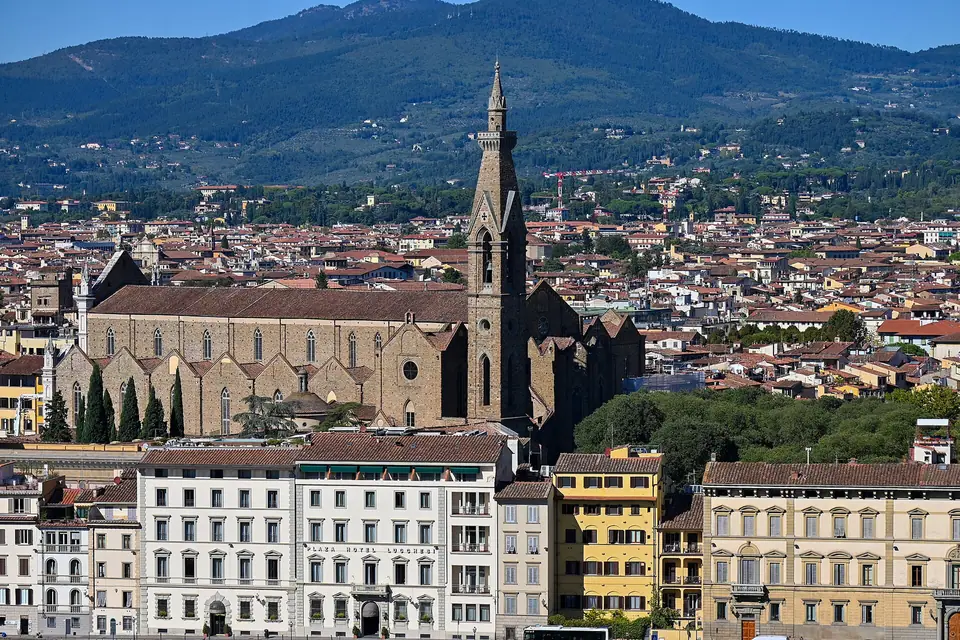
Basilica di Santa Croce (Opera di Santa Croce)
Santa Croce basilica
Great Franciscan basilica with the tombs of Michelangelo, Galileo and Machiavelli, Giotto frescoes, a cloister and a museum.
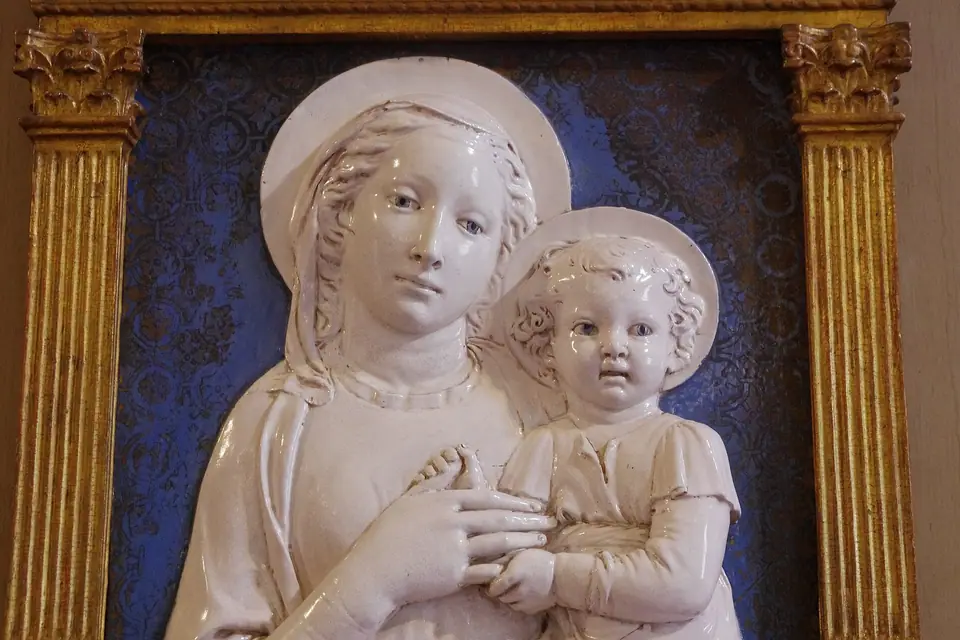
Galleria dell'Accademia di Firenze e Musei del Bargello
Bargello National Museum
Sculpture museum in a medieval palace, with works by Donatello, Michelangelo and Cellini. Closed on Mondays.
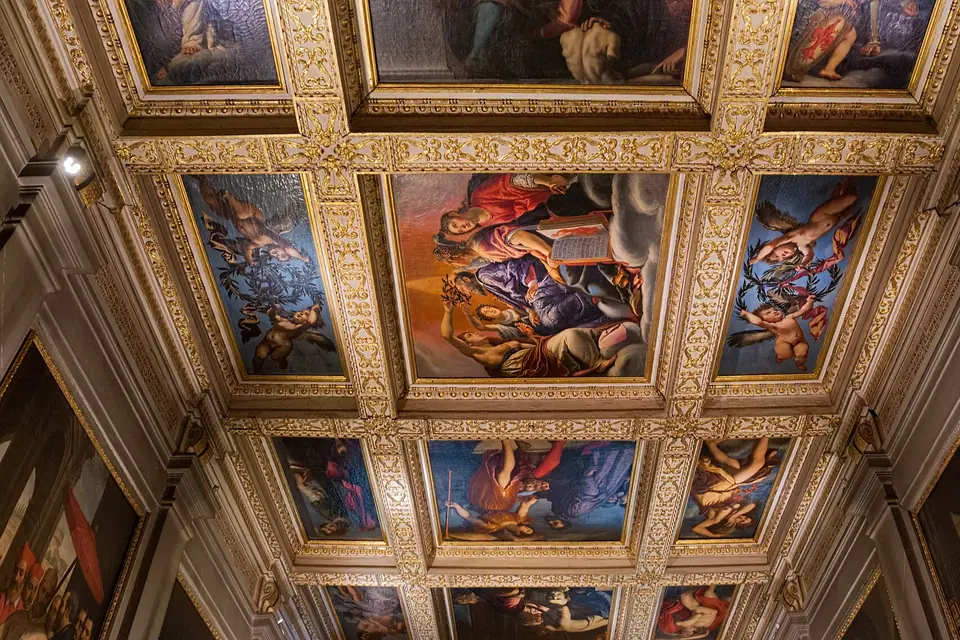
Casa Buonarroti Museum
Small museum in Michelangelo's family house, with his youthful reliefs and family pieces.
2-hour Florence bike tour (I Bike Florence)
Guided ride of about 2 hours through the historic centre, with bike, helmet and guide included and daily departures in English and Spanish.
Private barchetto boat ride on the Arno with aperitif (Towns of Italy)
Private mini-cruise of about 50 minutes on a barchetto, the traditional Florentine boat, with an aperitif and a licensed history guide.
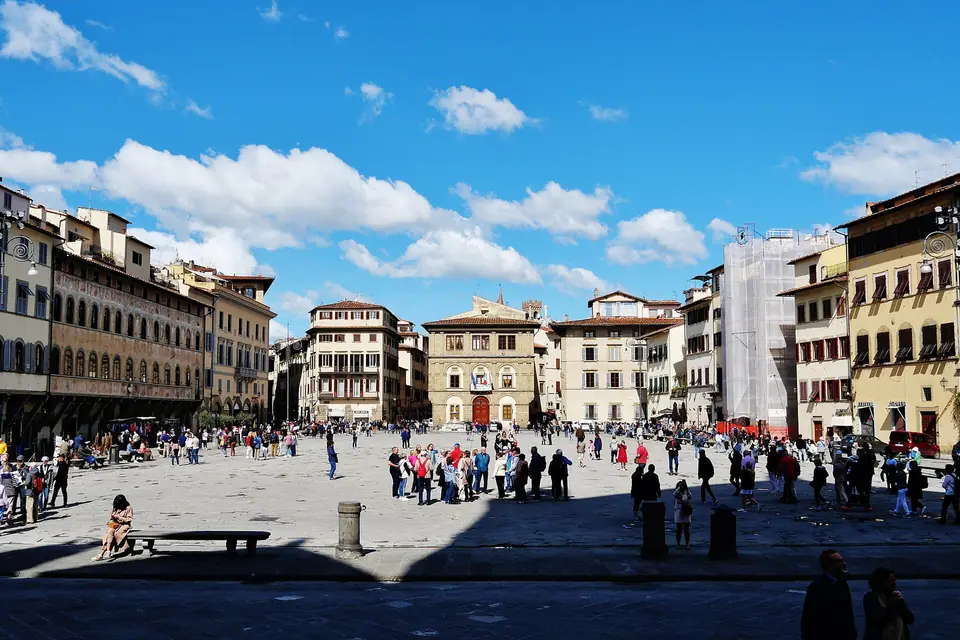
Walking food tour of Santa Croce and Sant'Ambrogio (Walking Palates)
Walk of about three and a half hours with tastings and wine through Santa Croce and Sant'Ambrogio, starting at Piazza Santa Croce.
Tastes & Traditions: food tour with Sant'Ambrogio market (Devour Tours)
Morning walk through the Sant'Ambrogio district with about nine tastings, five glasses of wine and a coffee at eight family-run businesses.
Oltrarno: Pitti, Boboli and Santo Spirito
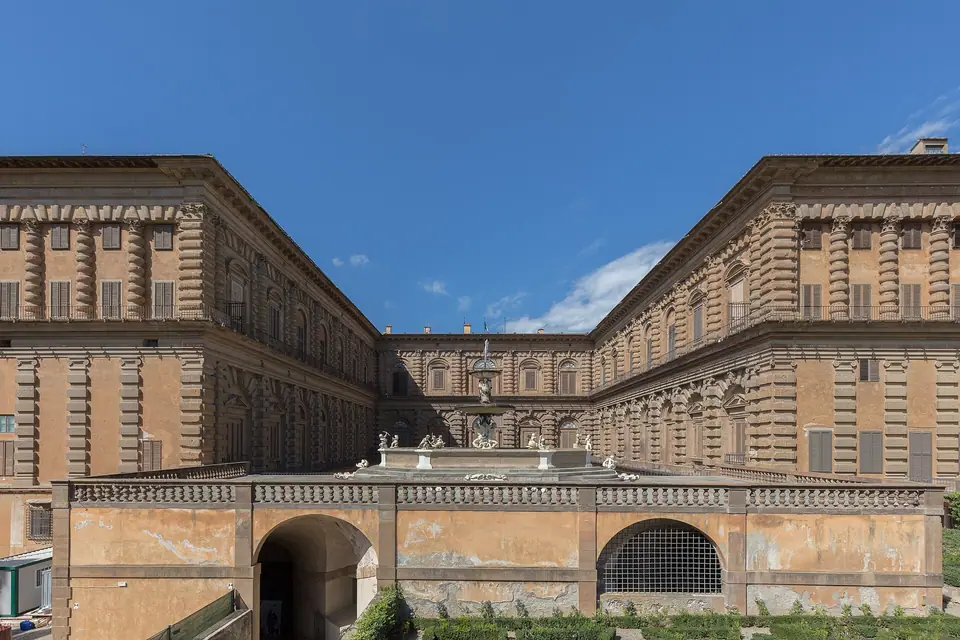
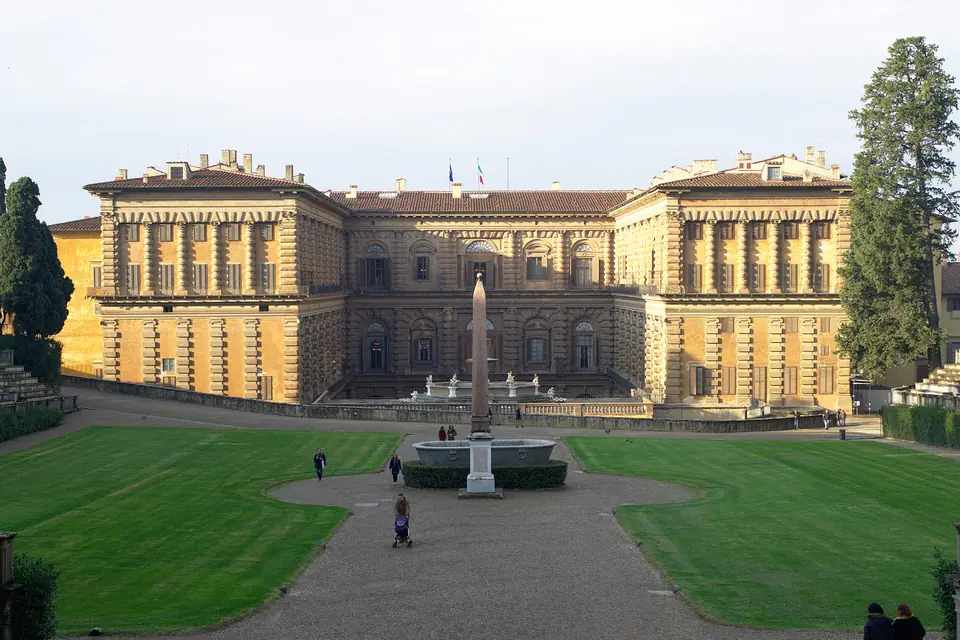
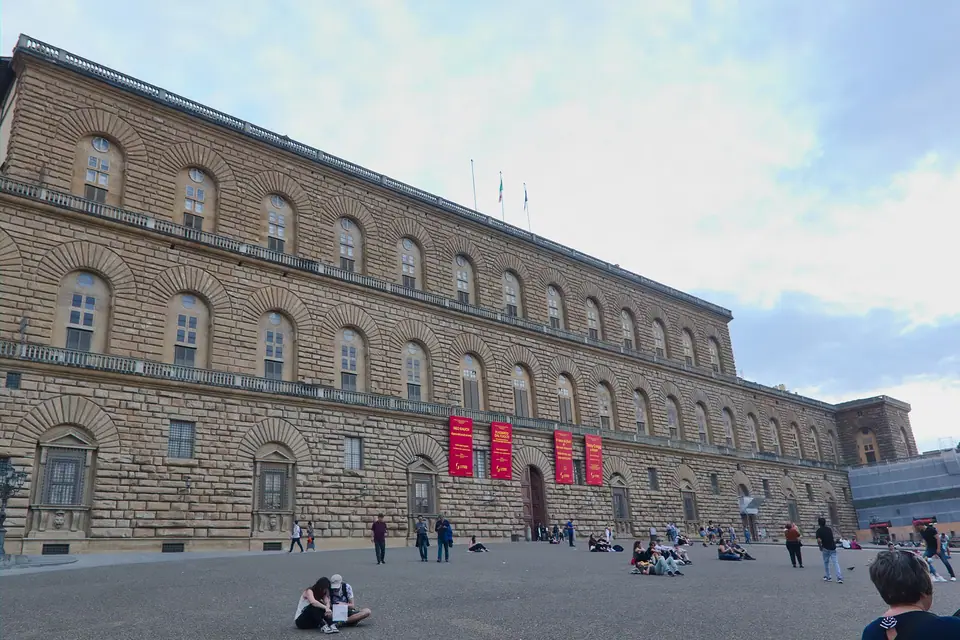
Across the Arno, past the Ponte Vecchio, lies the district of craftspeople and trattorias. The Palazzo Pitti (16 EUR) holds the Galleria Palatina, the Galleria d'Arte Moderna and the Fashion Museum; behind it, the Giardino di Boboli costs 10 EUR and the Pitti plus Boboli combined ticket is 22 EUR. The Brancacci Chapel, with Masaccio's frescoes, costs 15 EUR and closes on Tuesdays. State museums close on Mondays.
The 40 EUR PassePartout combines the Uffizi, Pitti and Boboli over five days. In the evening, Piazza Santo Spirito is the start of several tours: food and wine at sunset, pasta classes and pizza with gelato, and tastings.
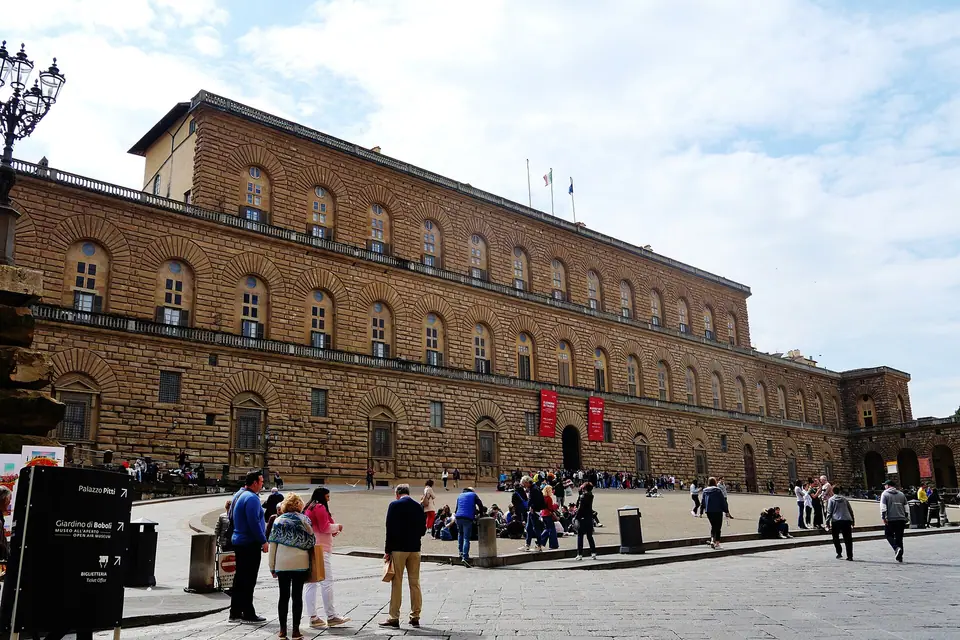
Palazzo Pitti: Palatine Gallery and museums
Ticket to the great Medici palace in the Oltrarno: Palatine Gallery, Modern Art, Fashion Museum and the Treasury of the Grand Dukes.
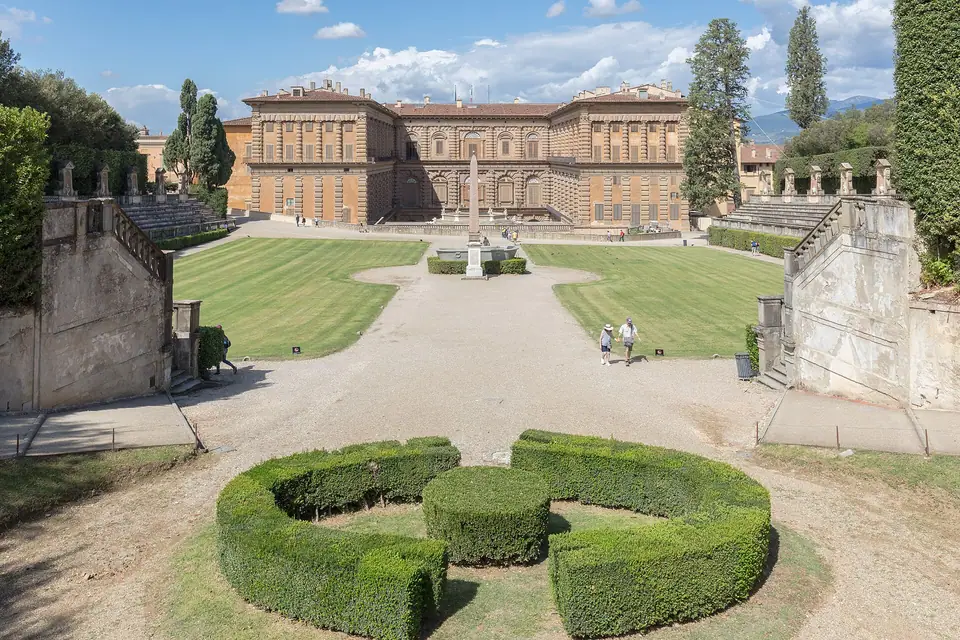
Boboli Gardens
Ticket to the great Renaissance garden behind Palazzo Pitti, with fountains, statues, grottoes and views over the city.
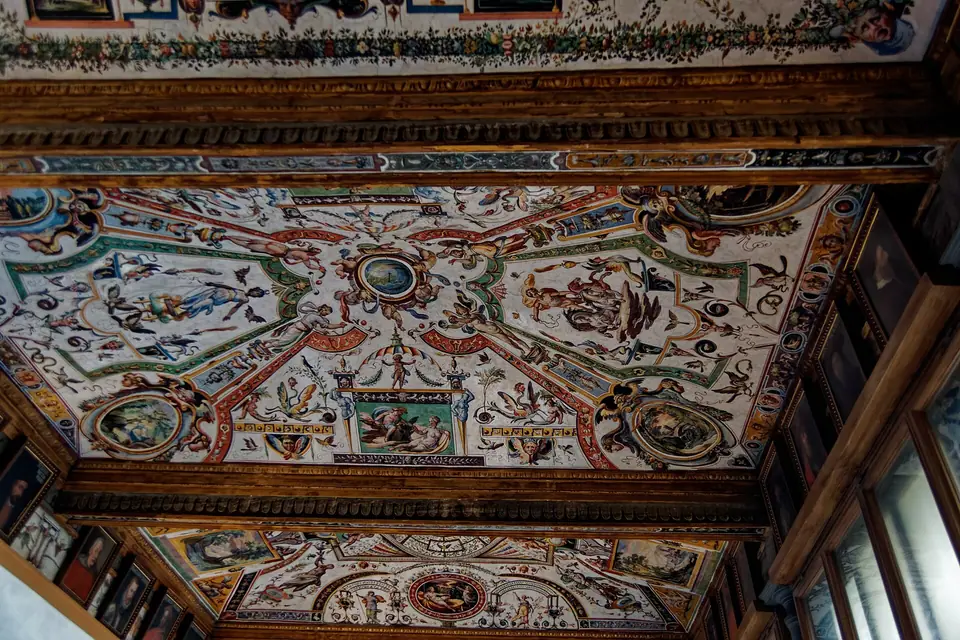
PassePartout 5 days: Uffizi, Pitti and Boboli
Official five-day pass combining the Uffizi, Palazzo Pitti and the Boboli Garden on a single ticket.
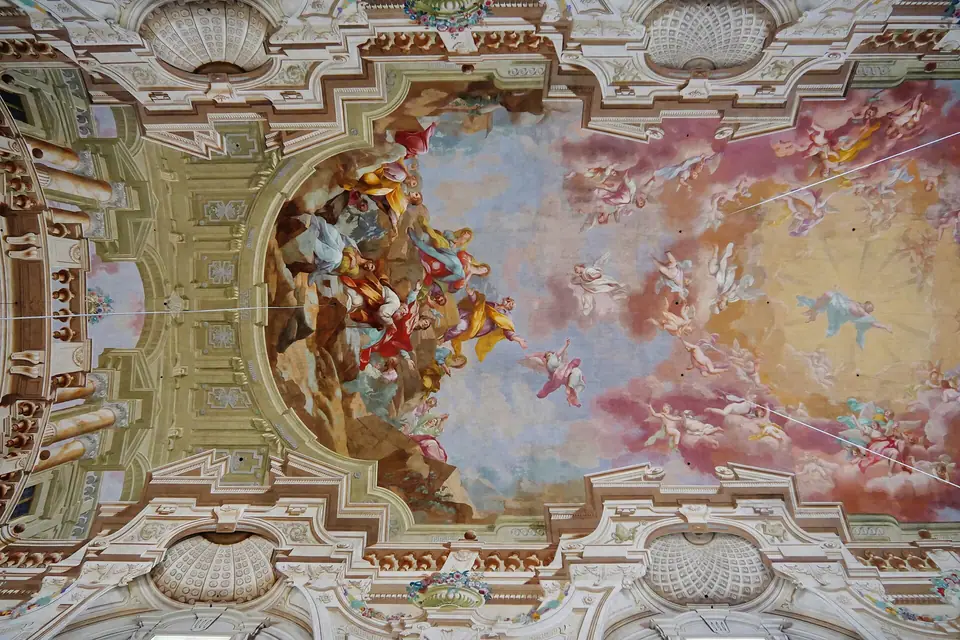
Musei Civici Fiorentini (Comune di Firenze)
Brancacci Chapel and Masaccio's frescoes
Ticket to the Carmine chapel with Masaccio and Masolino's frescoes, a gem of the early Renaissance. Combined with the Fondazione Salvatore Romano.
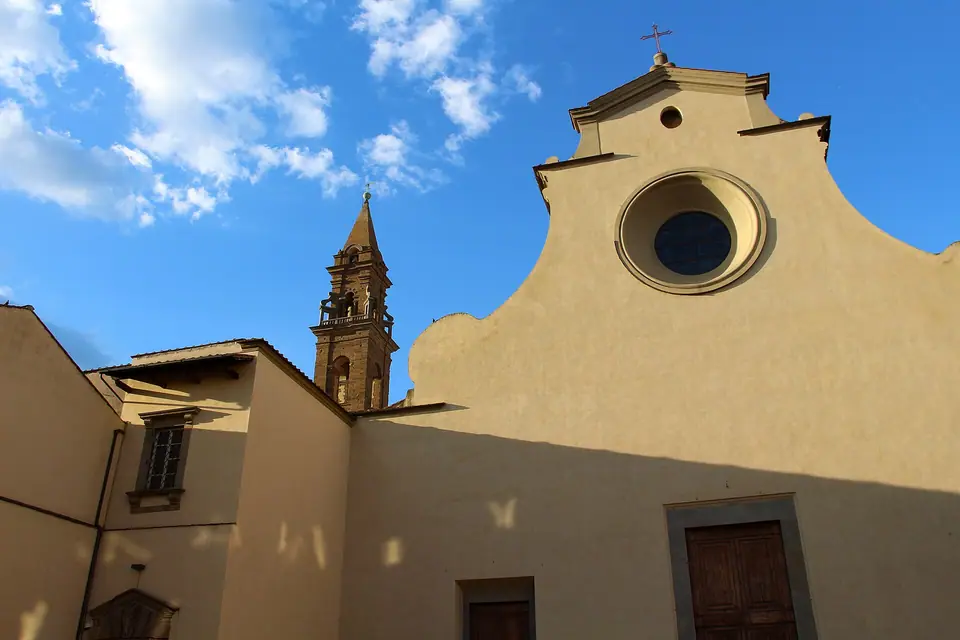
Sunset food and wine tour in Oltrarno (Eating Europe)
Evening walk through Oltrarno with around ten tastings, Tuscan wines and a negroni, from Piazza Santo Spirito to a closing gelato.
Fresh pasta-making class with unlimited wine (Eating Europe)
Three hours in an Oltrarno studio making fettuccine and ravioli by hand, with tiramisù for dessert and Tuscan wine on tap.
Pizza and gelato making class in Oltrarno (Eating Europe)
Two-and-a-half-hour class in which a pizza and two flavours of gelato are made with a Florentine chef, then eaten.
Evening food and wine tour in Oltrarno (Devour Tours)
Three-and-a-half-hour evening tour with 8+ dishes, wine windows, a negroni and bistecca alla fiorentina through Oltrarno.
Florence evening food tour with wine (Walks of Italy)
Evening walking tour through Oltrarno with food and wine tastings in a small group, part of Walks of Italy's food-tour programme in Florence.
San Niccolò and Piazzale Michelangelo
Piazzale Michelangelo is the city's classic viewpoint and is free: from it you see the Duomo, the Palazzo Vecchio and the Arno. You climb on foot from San Niccolò or take the hop-on hop-off bus, which stops at the square. With a clear sunset, the views are the reason to go.
To get up without the slope, Brama Travel's electric golf cart tours the Oltrarno hills, with a tasting at a trattoria, and the City Sightseeing bus stops at the viewpoint and also continues to Fiesole. As paid viewpoint alternatives, the Torre di Arnolfo (20 EUR) or the dome.
City Sightseeing Florence hop-on hop-off bus, 24, 48 or 72-hour ticket
Hop-on hop-off bus with two lines, one through the centre stopping at Piazzale Michelangelo and one climbing to Fiesole, with commentary in eight languages.
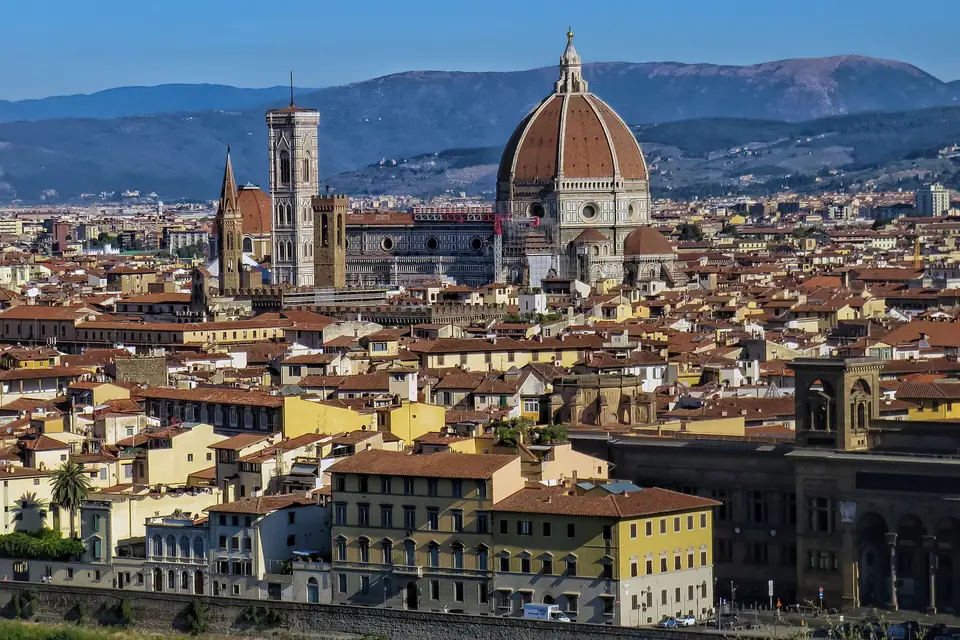
Electric golf cart ride through Florence's hills with tasting (Brama Travel)
Panoramic ride of about 2 hours in an electric cart from near Porta Romana, with a stop at Arcetri, a tasting at Trattoria Omero and a viewpoint over Florence.
Vespa tour through the Tuscan hills with tasting (Walkabout)
6-hour ride on an automatic Vespa through the hills, with stops at a viewpoint, an old church and a country estate for a tasting of cured meat, cheese and Chianti.
Fiesole: the hill above the city
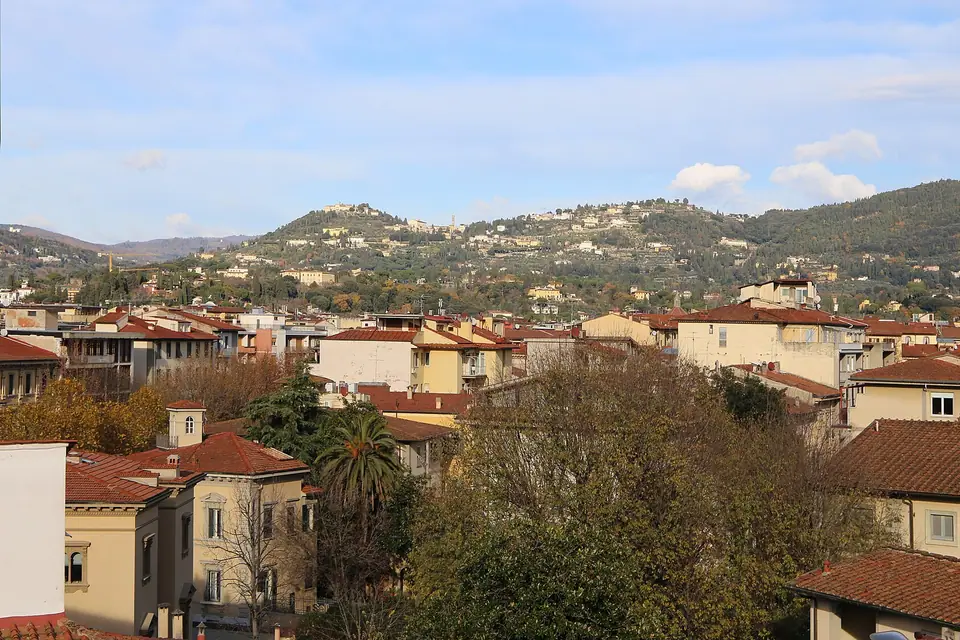
Fiesole sits on the hill north of Florence and is reached by bus. The archaeological area, with the Roman theatre, baths and a temple, costs 7 EUR; 10 EUR with the archaeological museum and 12 EUR with the Bandini museum too. In winter the hours are shorter than summer's (9:00 to 19:00), so confirm before going. The hop-on hop-off bus's Fiesole line is another option.
Fiesole archaeological area: Roman theatre and baths
Ticket to Fiesole's Roman theatre, baths and Etruscan-Roman temple, with an optional archaeological museum.
City Sightseeing Florence hop-on hop-off bus, 24, 48 or 72-hour ticket
Hop-on hop-off bus with two lines, one through the centre stopping at Piazzale Michelangelo and one climbing to Fiesole, with commentary in eight languages.
How many days you need and what to book first
Three days cover the essentials: one for Duomo and Signoria, one for the Accademia, San Lorenzo and Santa Croce, and one for Oltrarno and the viewpoints. With two days, drop Oltrarno or the mid-sized museums. A week lets you add Pisa, Siena, Chianti or Cinque Terre as day trips.
Book ahead the Uffizi (time slot, 29 EUR), the Accademia (4 EUR booking), the dome (compulsory slot) and the Torre di Arnolfo (compulsory booking). A Monday is a poor day for state museums. The most useful free entries are the cathedral, Piazzale Michelangelo and the state museums on the first Sunday of the month, and for under-18s, every day.
Official sources
Our own wording, written from these sources, checked up to 25 November 2026. Rules and traffic restrictions vary, so confirm them before you travel.
Frequently asked questions
How many days do you need to see Florence?
Three days cover the essentials. With two you have to choose between Duomo and Signoria, Accademia and Santa Croce, or Oltrarno.
What can you see for free in Florence?
The cathedral, Piazzale Michelangelo, the Ponte Vecchio and Piazza della Signoria. State museums open free on the first Sunday of the month and always for under-18s.
Which tickets should I book in advance?
The Uffizi (29 EUR with a slot), the Accademia (20 EUR plus 4 EUR), the Duomo dome (compulsory slot) and the Torre di Arnolfo (compulsory booking).
What is the best viewpoint in Florence?
Piazzale Michelangelo, free and with views of the Duomo and the Arno. For a view from inside the historic centre, the dome or the Torre di Arnolfo.
Which day is best avoided for museums?
Monday: the Uffizi, the Accademia, the Bargello and the Pitti close that day.
Atlas of Florence editorial team · reviewed on 25 November 2026
More guides
- From the airport to central Florence: how to get there from Peretola and from Pisa
- Cinque Terre from Florence: train, Cinque Terre Card, Sentiero Azzurro and organised tours
- Florence Duomo tickets: what each pass includes, price and steps
- Accademia Gallery tickets: price, opening times and how to book
- Uffizi tickets: prices, opening times and how to skip the queue
- Day trips from Florence: how to get there and which tours exist
- Florence with kids: what to do and which museums are free
- Florence in 3 days: itinerary, tickets and what to book
- Pisa and Lucca from Florence: how to get there, the timed Tower and which tours exist
- Siena, San Gimignano and Chianti from Florence: organised tour versus going on your own
- What to do in Florence in the rain
- Florence on a budget: free and cheap
- Low-effort plans in Florence